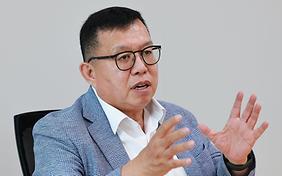
[우리품의 아프리카인](50) 아츄 "한국어 말문 터지니 기회도 활짝"
14년 전 카메룬서 유학와 초고속 언어 습득…소프트웨어 엔지니어로 활약 외국인 생활지원 종합 플랫폼 운영…아프리카 공동체에도 재능 기부
[우리품의 아프리카인](50) 아츄 "한국어 말문 터지니 기회도 활짝"
14년 전 카메룬서 유학와 초고속 언어 습득…소프트웨어 엔지니어로 활약
외국인 생활지원 종합 플랫폼 운영…아프리카 공동체에도 재능 기부
 아츄 "한국어 말문 터지니 기회도 활짝" (출처=연합뉴스)](https://image.fnnews.com/resource/media/image/2026/09/02/202609020700444377_l.jpg)
(서울=연합뉴스) 박세진 기자 = 카메룬 출신 소프트웨어 개발자 아츄 무아마(35)는 한국 유학으로 쌓은 전공 지식과 경험을 토대로 새로운 아이디어를 하나씩 현실로 만들어가고 있다.
그 대표적인 결과물이 한국 거주 외국인을 위한 생활 지원 플랫폼 '외국'(Waegook)이다.
아츄는 지난달 29일 충북 청주의 한 카페에서 진행된 인터뷰에서 "한국의 언어와 문화를 이해하기 시작하면서 많은 기회가 열렸다"고 말했다.
14년 전 유학생으로 한국에 첫발을 디딘 그는 이제 자기 경험을 다른 외국인의 한국살이를 돕는 데 활용하고 있다.
아츄는 한국에 오기 전 카메룬 명문 야운데공대를 다니던 중 소프트웨어 엔지니어의 길을 찾아 2012년 한국 유학길에 올랐다.
중원대에 다니던 아프리카 친구로부터 장학생 모집 정보를 전해 듣고 지원해 대학 전액 장학생으로 선발됐다.
아츄는 한국어를 전혀 모른 채 입국했다. 하지만 2년 코스인 한국어 교육과정을 6개월 만에 통과한 뒤 곧바로 전공(컴퓨터시스템공학)으로 넘어갈 정도로 뛰어난 어학 능력을 보였다.
실제로 한국어 실력은 연합뉴스와 경희대 국제교육원이 공동 주최한 2015년 '세계 외국인 한국어 말하기 대회'에서 검증됐다.
1, 2차 예선에 39개국 출신의 1천241명이 참가한 이 대회에서 아츄는 16명이 겨룬 본선에 당당히 올라 '한국과 사랑에 빠진 나'를 주제로 발표해 주목받았다.
 아츄 "한국어 말문 터지니 기회도 활짝" (출처=연합뉴스)](https://image.fnnews.com/resource/media/image/2026/09/02/202609020700467061_l.jpg)
졸업 후 충북 청주의 정보기술(IT) 기업에 소프트웨어 엔지니어로 입사했다.
이곳에서 무인 키오스크, 디지털 사이니지, 출입·근태 관리 단말기, 카드 결제 시스템 등에 들어가는 다양한 소프트웨어를 개발하며 실무 경험을 쌓았다.
직장생활을 하면서도 학업을 계속해 2024년 충북대에서 전자정보공학 석사학위를 받았다.
석사과정에서는 실시간 데이터를 활용해 산사태 위험을 감지하고 카카오톡으로 경보를 보내는 시스템을 연구했다.
개인 프로젝트에도 일찌감치 뛰어들었다.
아츄는 2019년 제품개발 스튜디오 '마탄버스'(MatanVerse)를 설립했다.
그는 자신의 포트폴리오에서 10년 넘는 개발 경력 동안 60개 이상의 프로젝트를 출시했다고 소개하고 있다.
이 가운데 대표작으로 꼽는 것은 한국 거주 외국인을 위한 생활지원 플랫폼 '외국'이다.
이름은 한국어 '외국'에서 따왔다.
아츄가 14년간 한국에서 생활하며 만난 외국인들의 어려움을 듣고 이를 IT로 해결할 방법을 찾은 것이 플랫폼 개발의 출발점이었다.
그는 "사람들과 대화하면서 들은 문제 가운데 이 플랫폼에서 해결할 수 있는 것을 하나씩 기능으로 추가했다"고 말했다.
 아츄 "한국어 말문 터지니 기회도 활짝" (출처=연합뉴스)](https://image.fnnews.com/resource/media/image/2026/09/02/202609020700485061_l.jpg)
이 서비스는 한국에서 생활하는 외국인들이 일상에서 겪는 어려움을 원스톱으로 해결할 수 있도록 다양한 기능을 갖췄다.
일자리 정보를 찾아볼 수 있고 커뮤니티 장터에서는 생활용품을 사고팔거나 무료로 나눌 수 있다.
체류 자격에 맞는 비자 정보를 찾아주는 '비자 찾기'(Visa Finder)도 있다.
특이한 기능 가운데 하나는 '문서 도우미'(Document Helper)다. 한국어로 된 고지서나 안내문 등을 올리면 주요 내용과 금액, 날짜, 납부 방법 등을 여러 언어로 풀어준다.
이 밖에 외국인 커뮤니티와 각종 행사, 생활정보 등을 연결하는 기능도 갖췄다.
지난 6월 서비스를 시작한 뒤 두 달 만에 이용자는 300명에 육박했다. 최근에는 모바일 앱도 출시했다.
아츄는 단순한 정보 제공을 넘어 한국에 사는 외국인들의 일상생활 전반을 연결하는 토탈 포털을 지향한다며 "'외국'을 이용하지 않으면 한국 생활에서 뒤처진다고 느낄 정도의 플랫폼으로 키우는 것이 목표"라고 말했다.
 아츄 "한국어 말문 터지니 기회도 활짝" (출처=연합뉴스)](https://image.fnnews.com/resource/media/image/2026/09/02/202609020700501865_l.jpg)
아츄는 본업을 넘어 아프리카 공동체를 위해서도 재능을 활용하고 있다.
재한카메룬인협회(CAMASKO)에서는 자원봉사자로 홈페이지를 구축하고 운영하는 등 IT 업무를 맡고 있다.
지난 3월 출범한 한·아프리카 엑설런스 어워즈(KAFXA)에는 창설 멤버로 참여해 웹사이트 구축과 운영을 맡고 있다.
KAFXA는 한국에서 활동하는 아프리카 출신 인재들을 발굴해 이들의 성취를 알리고 서로 연결하자는 취지로 만들어졌다.
매달 다양한 분야에서 활약하는 인물을 아프리카 커뮤니티 투표를 통해 '이달의 아프리카 아이콘'으로 선정한다. 오는 10월 17일 열리는 첫 연례행사에서는 분야별 '올해의 아이콘'을 시상한다.
 아츄 "한국어 말문 터지니 기회도 활짝" (출처=연합뉴스)](https://image.fnnews.com/resource/media/image/2026/09/02/202609020700513395_l.jpg)
아츄는 KAFXA 창설 제안을 받았을 때 그 취지와 성장 가능성에 공감했다고 말했다.
그가 KAFXA의 필요성을 설명하며 꺼낸 비유는 '슈퍼히어로'였다.
어린 시절 스파이더맨이나 슈퍼맨, 아이언맨을 보며 영웅을 꿈꾸듯 성인이 된 뒤에는 현실에서 성취를 이룬 사람을 보면서 "저 사람이 했다면 나도 할 수 있다"는 생각을 갖게 된다는 것이다.
아츄는 "한국에 처음 왔을 때 KAFXA 같은 활동이 있었다면 내게 두 배의 동기 부여가 됐을 것"이라고 말했다. 그러면서 "KAFXA는 다양한 분야에서 뛰어난 성취를 이룬 아프리카인들을 보여줌으로써 다른 사람들에게도 '나도 할 수 있다'는 마음을 심어주려는 것"이라고 설명했다.
그는 KAFXA가 아프리카 출신 인재들이 서로 연결되고 자신의 역량을 알리면서 새로운 기회를 얻는 전문 네트워크로 성장하기를 기대하고 있다.
 아츄 "한국어 말문 터지니 기회도 활짝" (출처=연합뉴스)](https://image.fnnews.com/resource/media/image/2026/09/02/202609020700535610_l.jpg)
14년간 한국에서 살아온 아츄는 아프리카에 대한 한국인의 인식이 어떻게 변했는지를 묻는 말에 "한국 사회 곳곳으로 진출하는 아프리카인이 늘어나는 것을 보면 긍정적인 변화가 있었다고 생각한다"고 했다.
그는 "고정관념이나 오해는 어느 사회에나 존재한다"며 "중요한 것은 대화를 늘리는 것이다. 제대로 소통하고 정보를 나누면 많은 문제가 자연스럽게 풀릴 수 있다고 본다"고 조심스레 말했다.
한국에 사는 아프리카인들에게는 적극적인 태도를 주문했다.
아츄가 꼽는 재한 아프리카 커뮤니티의 장점은 가족과 같은 끈끈함이다.
누군가 아프거나 어려운 상황에 놓이면 의지하고 도움을 청할 공동체가 있다는 것이다.
그러나 이런 결속력이 한국 사회와의 접촉을 줄이는 요인이 될 수도 있다고 봤다.
그는 "많은 아프리카인이 자기 커뮤니티 안에만 머무르는 경향이 있다"며 "한국에서 여러 해를 학생으로 지내고도 한국어를 제대로 익히지 못해 좋은 일자리를 얻는 데 어려움을 겪는 사람들도 있다"고 말했다.
아츄는 자기 경험을 토대로 한국어 습득과 한국 문화 이해의 중요성을 거듭 강조했다.
"좀 더 열린 자세로 자신이 들어온 사회의 문화를 받아들이고 언어와 사람들의 생활방식을 배워야 합니다. 그래야 한국에서 더 많은 기회의 문이 열립니다."
 아츄 "한국어 말문 터지니 기회도 활짝" (출처=연합뉴스)](https://image.fnnews.com/resource/media/image/2026/09/02/202609020700551781_l.jpg)
아츄는 한국 생활을 돌아보며 '비 온 뒤 햇살이 비친다'(After the rain comes sunshine)는 말을 꺼냈다.
처음에는 한국어와 문화를 익히고 이해하는 일이 어려웠지만, 빠르게 적응하면서 많은 기회를 얻었다는 메시지다.
한국이 무엇을 줬느냐는 물음에는 '커리어'를 꼽았다.
그는 "한국은 많은 사람이 평생 좇는 커리어를 내게 줬다"며 "나는 그것을 소중하게 여기며, 한국은 언제나 내 마음속에 특별한 자리를 차지할 것"이라고 말했다.
앞으로는 '외국'을 더 많은 외국인이 이용하는 생활 플랫폼으로 키우는 데 힘을 쏟을 계획이다.
KAFXA를 세계적으로 인정받는 브랜드이자 플랫폼으로 성장시키고 자신이 속한 공동체를 돕는 활동도 이어갈 생각이다.
아츄는 마지막으로 한국에 사는 아프리카인을 비롯한 외국인들에게 자기 경험에서 우러난 조언을 들려줬다.
"한국어와 문화를 배우세요. 그러면 많은 것이 이해되기 시작할 겁니다. 한국은 아름답고 안전한 나라이며, 열심히 노력하는 사람에게 많은 기회가 있는 곳입니다."
[Africans in Our Midst] (50) Cameroonian developer Muamaah: 'Learning Korean opened new doors'
Came to Korea as student 14 years ago, now works as software engineer
Runs comprehensive support platform for foreign residents, also contributes IT skills to African community
Cameroonian software developer Achu Muamaah, 35, has been turning new ideas into reality, drawing on the knowledge and experience he has gained through his studies and career in South Korea.
One of the most notable results is Waegook, a comprehensive support platform designed to help foreign residents navigate everyday life in Korea.
"Once I began to understand the Korean language and culture, many opportunities opened up for me," Muammah said in an interview at a cafe in Cheongju, about 110 kilometers south of Seoul, on Aug. 29.
Fourteen years after first arriving in Korea as an international student, he is now using his own experience to help other foreign residents adjust to life in the country.
Before coming to Korea, Muammah studied at the prestigious National Advanced School of Engineering of Yaounde in Cameroon before deciding to pursue a career as a software engineer and moving to Korea in 2012.
He learned about a scholarship opportunity from an African friend studying at Jungwon University and applied, eventually receiving a full scholarship offered by the university.
Muammah arrived without knowing any Korean, but he completed a Korean-language program designed as a two-year course in just six months before moving directly into his major in computer systems engineering.
His Korean proficiency was also put on display at the 2015 World Foreigners' Korean Speech Contest, jointly hosted by Yonhap News Agency and Kyung Hee University's Institute of International Education, which drew 1,241 applicants from 39 countries.
After passing two preliminary rounds, Muammah was among 16 finalists and delivered a speech titled "How I Fell in Love with Korea."
After graduation, he joined an information technology company in Cheongju as a software engineer.
There, he gained hands-on experience developing software for unmanned kiosks, digital signage, access and attendance terminals, card payment systems and other devices.
He continued his studies while working and earned a master's degree in electronic and information engineering from Chungbuk National University in 2024.
For his master's research, he developed a system that uses real-time data to detect landslide risks and sends alerts through KakaoTalk, Korea's leading mobile messenger.
Muammah also ventured early into personal development projects.
In 2019, he founded MatanVerse, a product development studio.
In his portfolio, he says he has shipped more than 60 projects during his software development career spanning more than a decade.
The project Muammah considers his flagship creation is Waegook, a support platform for foreign residents in Korea.
Its name comes from the Korean word "oeguk," meaning "foreign country."
The idea grew out of the difficulties he heard about from foreign residents he met during his 14 years in Korea and his efforts to find technological solutions to those problems.
"When talking to people, whenever I heard about a problem that could be solved through the platform, I added a feature to address it," he said.
Waegook brings together a range of services intended to help foreign residents deal with everyday challenges, including finding jobs, buying and selling household items, obtaining visa information and understanding Korean-language documents.
Users can browse job listings, while a community marketplace allows them to buy, sell or give away household goods.
The platform also offers Visa Finder, which helps users find information relevant to their immigration status.
Another distinctive feature is Document Helper. Users can upload Korean-language bills, notices or other documents and receive explanations in multiple languages of key information, such as amounts, dates and payment instructions.
The platform also connects users with foreign communities, events and other information useful for daily life in Korea.
After launching in June, Waegook attracted nearly 300 users within two months. A mobile app has also recently been released.
Muammah said his goal is to develop Waegook beyond a simple information service into a comprehensive portal connecting different aspects of daily life for foreign residents.
"I want to grow Waegook into a platform that makes foreigners feel they are missing out on life in Korea if they are not using it," he said.
Beyond his professional work, Muammah also uses his IT skills to support African communities in Korea.
As a volunteer with the Cameroonian Association in South Korea (CAMASKO), he has built and managed its website and handles other IT-related work.
He is also a founding member of the Korea-Africa Excellence Awards (KAFXA), launched in March, where he is responsible for building and operating its website.
KAFXA was created to identify Africans excelling in various fields in Korea, highlight their achievements and connect them with one another.
Each month, members of the African community vote to select an "African Icon of the Month." At its first annual event, scheduled for Oct. 17, KAFXA will present "Icon of the Year" awards in various categories.
Muammah said he joined the initiative after being approached about its creation and becoming convinced of its purpose and potential.
To explain why he believes KAFXA is needed, he used the analogy of superheroes.
Just as children grow up dreaming of becoming Spider-Man, Superman or Iron Man, adults can look at people who have achieved success in real life and think, "If that person could do it, so can I," he said.
"If something like KAFXA had existed when I first came to Korea, it would have doubled my motivation," Muammah said. "KAFXA is about showing Africans who have achieved excellence in different fields so that others can also feel, 'I can do it too.'"
He hopes KAFXA will develop into a professional network where Africans can connect with one another, showcase their capabilities and gain new opportunities.
Asked how Korean perceptions of Africans have changed during his 14 years in the country, Muammah said he believes there has been a positive shift, pointing to the growing number of Africans working and building careers in different parts of Korean society.
"Stereotypes and misunderstandings exist in every society," he said. "What matters is having more dialogue. When people communicate properly and exchange information, I believe many problems can naturally be resolved."
He also called on Africans living in Korea to take a more active approach in engaging with Korean society.
One of the greatest strengths of the African community in Korea, he said, is its family-like solidarity. When someone becomes ill or faces serious difficulties, there is a community they can turn to for support.
But that same closeness can sometimes reduce interactions with Korean society, he said.
"Many Africans tend to remain within their own communities," Muammah said. "There are people who spend years here as students but still do not learn Korean properly, which can make it difficult for them to find good jobs."
Drawing on his own experience, Muammah repeatedly stressed the importance of learning Korean and understanding Korean culture.
"Be more open-minded and embrace the culture of the society you have entered. Learn the language and understand how people live. That will open many more doors of opportunity for you in Korea."
Looking back on his life in Korea, Muammah invoked the saying, "After the rain comes sunshine."
At first, understanding the language and culture was the greatest challenge, he said, but once he overcame that barrier, it became a source of opportunity.
Asked what Korea has given him, his answer was "a career."
"Korea gave me a career, something many people chase for their entire lives," he said. "I cherish that, and Korea will always have a soft spot in my heart."
Looking ahead, Muammah plans to focus on expanding Waegook into a platform used by more foreign residents.
He also hopes to help KAFXA grow into a globally recognized brand and platform while continuing to support the communities to which he belongs.
Muammah concluded with a message drawn from his own experience for Africans and other foreigners living in Korea.
"Learn the Korean language and culture. Then many things will start to make sense. Korea is a beautiful and safe country, with many opportunities for people who work hard."
(By Park Se-jin, Ubuntu Content Team of Yonhap News)
※ Editor's note: This English article is based on a Korean-language story. AI-assisted translation was used in part, and the final version was reviewed by an editor.
[email protected]
(끝)
<저작권자(c) 연합뉴스, 무단 전재-재배포, AI 학습 및 활용 금지>